
16MW Saltern Ground-mounted System | Fujian, China
June 17, 2026
1. Project Overview
•Project Background: Located in Fujian Province, this 16MW PV power plant was developed on operational salt fields with a complete fixed mounting solution provided by Antaisolar. The project integrates clean energy generation with traditional salt production, enabling the efficient three-dimensional utilization of coastal salt field resources. By combining renewable energy development with the salt industry, the project injects new momentum into the green transformation of traditional salt production and the value-added utilization of coastal resources.
• Project Requirements: Situated within a coastal salt field, the project faces extreme environmental conditions, including high salt mist concentrations, severe corrosion, and strong wind loads across open coastal areas. The client required a PV system capable of delivering long-term reliability in a highly corrosive marine environment while withstanding typhoon conditions and maintaining both structural safety and economic viability. Specifically, the mounting solution needed to: (1) Deliver exceptional wind resistance to withstand strong wind pressures across open salt field areas; (2) Incorporate high-grade anti-corrosion measures to resist long-term salt mist exposure; (3) Feature an installation-friendly design capable of adapting to soft salt field foundations and complex construction conditions.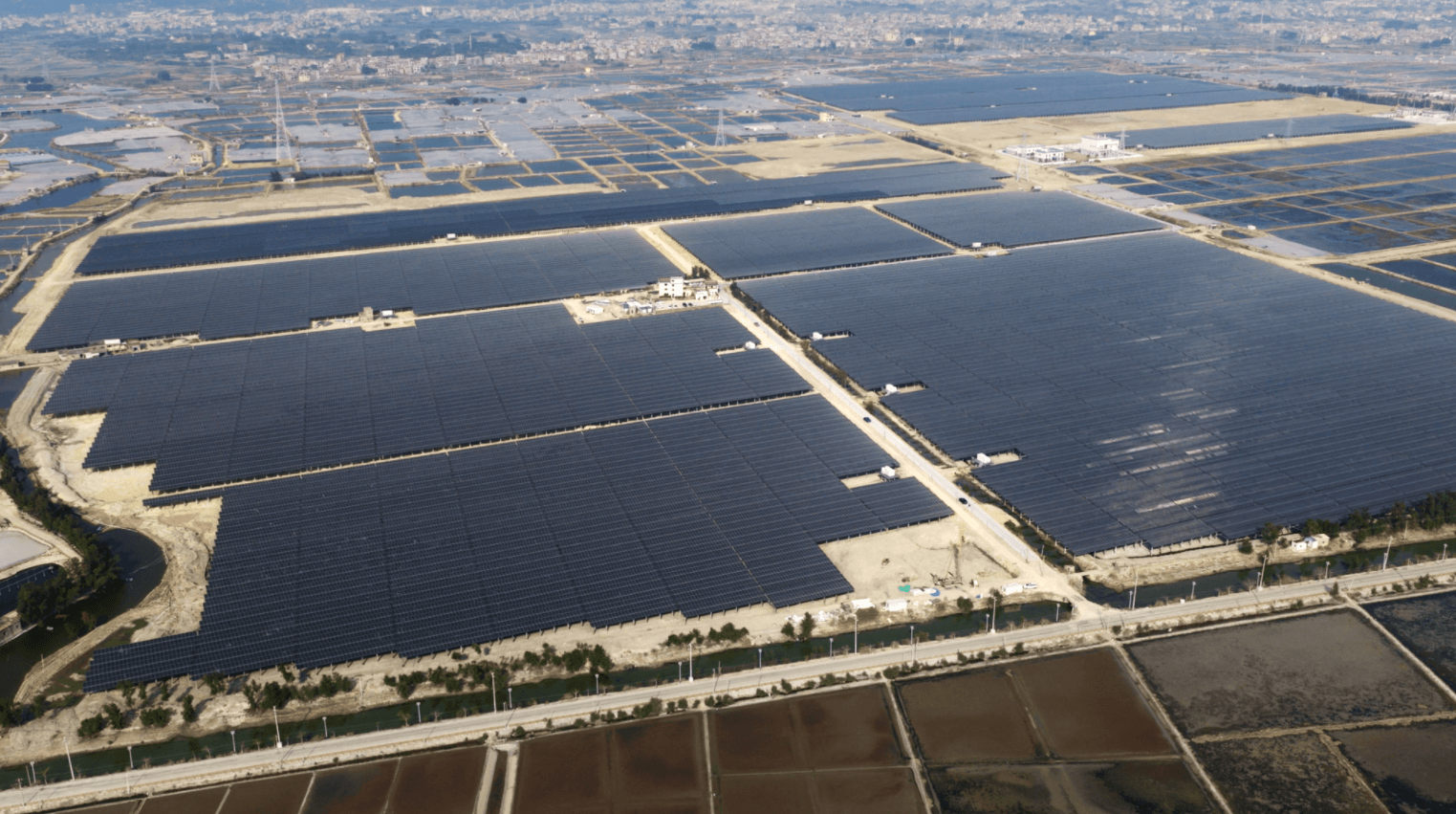 2. Project Challenges
2.1 Corrosion Challenges in an Extreme Salt Mist Environment
• Located within active salt fields, the project site experiences exceptionally high salt mist concentrations, resulting in corrosion rates far exceeding those of conventional coastal environments. The mounting system required outstanding resistance to salt-induced corrosion to ensure a design life exceeding 25 years. Without enhanced protection, structural strength could deteriorate rapidly, posing significant safety risks.
2.2 Structural Safety Challenges Under High Wind Loads and Typhoon Conditions
• The salt fields are situated in an open coastal environment with minimal surface obstruction, classified as Terrain Category A. The project was designed to withstand a wind pressure of 1.05kN/m². The mounting system therefore required superior uplift resistance, structural rigidity, and overall stability to ensure the integrity of both the structure and PV modules during typhoon events.
2.3 Soft Ground and Construction Constraints in Salt Fields
• The salt field terrain features soft soil with relatively low bearing capacity, creating risks of settlement and structural inclination. Additionally, the humid construction environment imposed specific requirements on foundation design and mounting adjustability to ensure installation quality and long-term stability.
 3. Solution
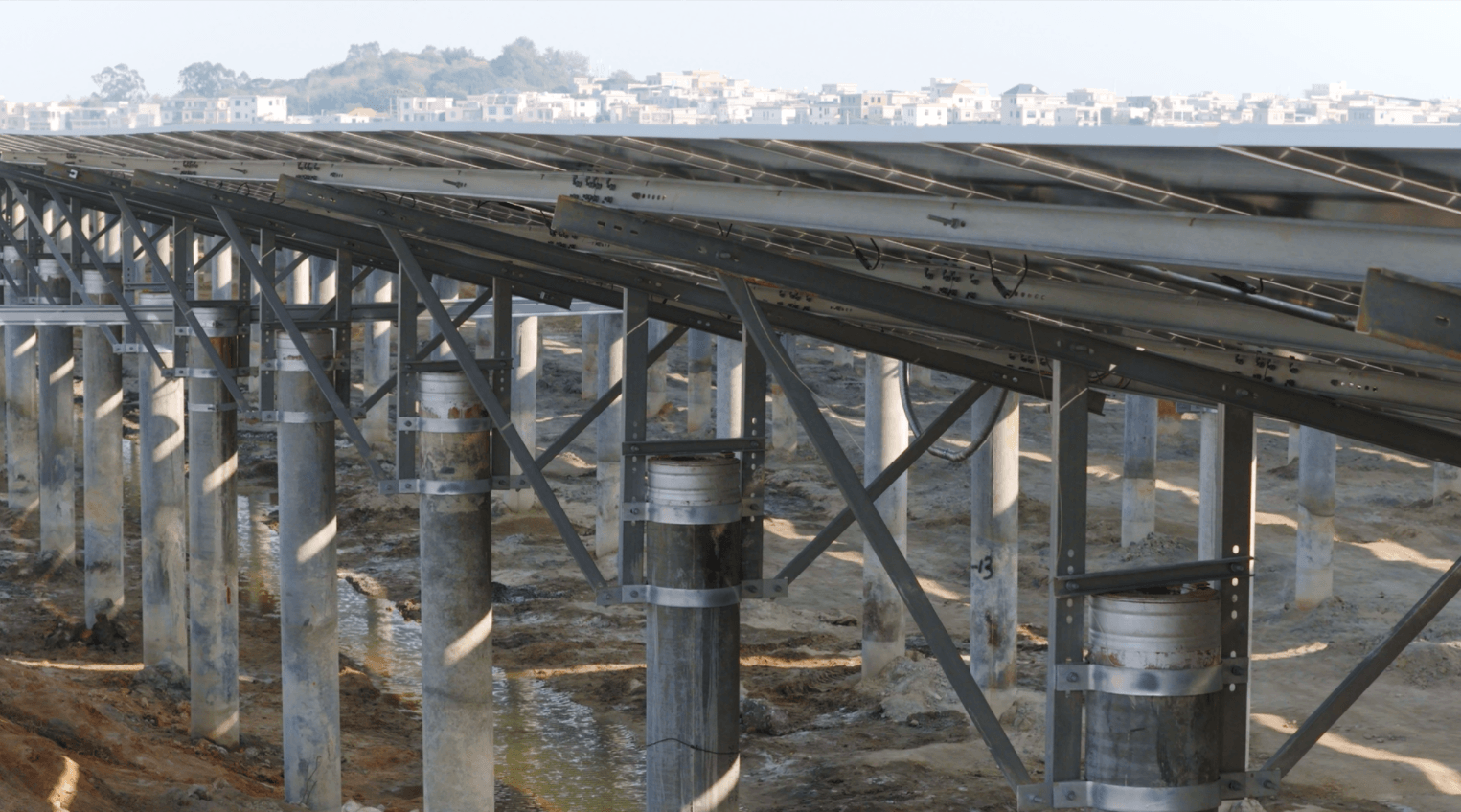
To address the extreme conditions of the salt field environment, Antaisolar delivered a reinforced fixed mounting solution centered around a dual-clamp, dual-post structure.
3.1 Enhanced Corrosion Protection for Salt Mist Conditions
• All steel components were treated with a combination of hot-dip galvanization and heavy-duty anti-corrosion coatings. Both galvanization thickness and coating performance were specifically upgraded to meet the stringent requirements of a C5 corrosive environment, ensuring long-term durability under continuous salt mist exposure.
• Fasteners and critical connection points were manufactured using stainless steel or higher-grade corrosion-resistant materials, eliminating potential weak points throughout the system.
3.2 Reinforced Structural Design for High Wind Loads and Typhoon Resistance
• The structural design was rigorously calculated and validated based on Terrain Category A and a design wind pressure of 1.05kN/m², providing a substantial safety margin against extreme weather events.
• Each post was connected to the foundation using a dual-clamp configuration, creating a double-locking mechanism that significantly enhanced pull-out resistance and lateral stability. The dual-post structure distributed loads more effectively, substantially improving the overall bending stiffness and structural stability of the mounting system.
3.3 Optimized Foundation and Adjustable Design for Salt Field Conditions
• The foundation system was specially engineered for the soft ground conditions of the salt fields, utilizing an appropriate pile foundation solution to ensure sufficient bearing capacity and settlement resistance.
• The dual-clamp connection design provided vertical adjustability, allowing installers to compensate for foundation elevation deviations and accommodate potential differential settlement. This ensured array alignment while reducing on-site installation time.
 4. Project Results
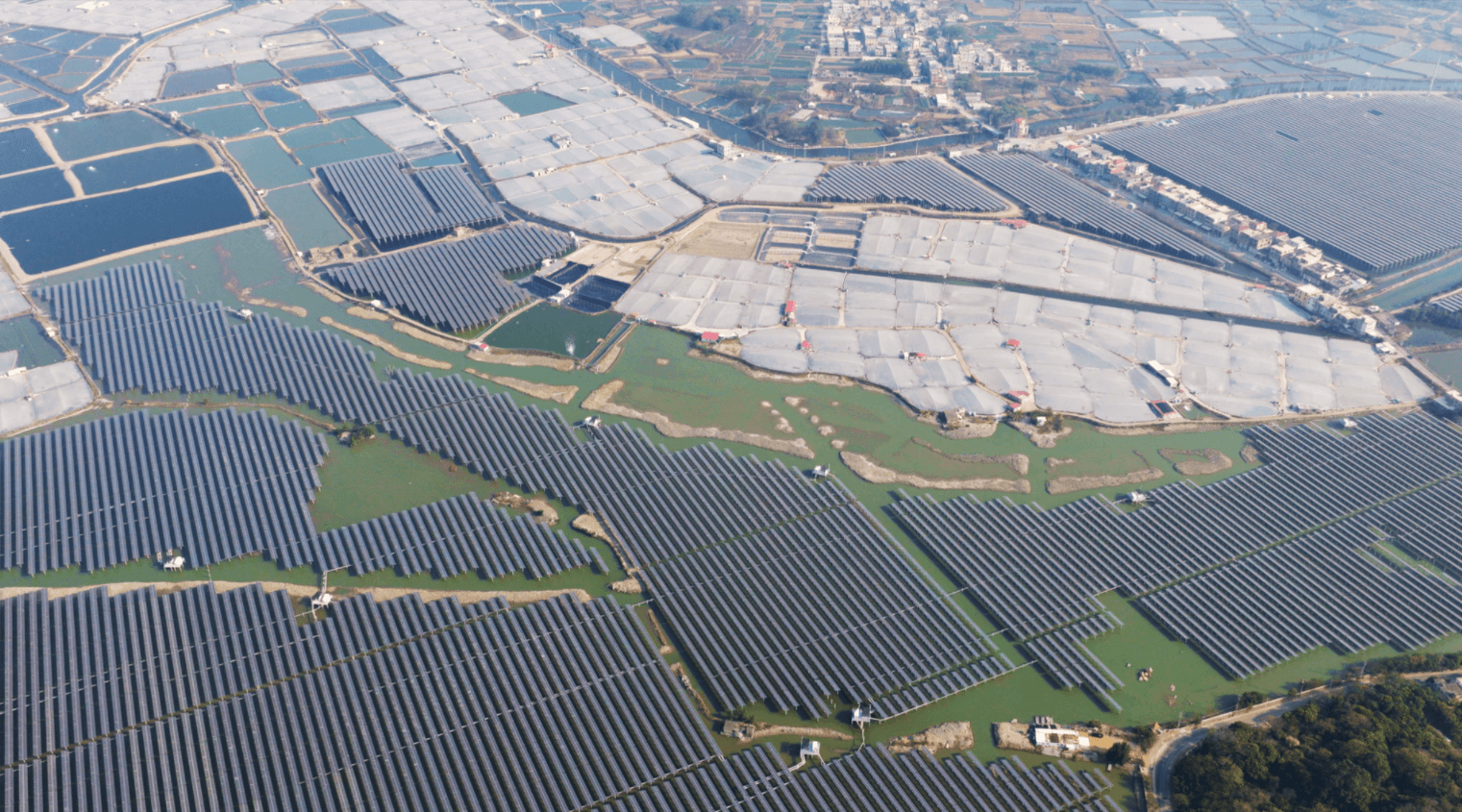
• The 16MW PV power plant has been successfully commissioned and is now operating reliably in the Zhangpu salt fields. Antaisolar's dual-clamp, dual-post fixed mounting system effectively addressed the severe challenges posed by high salt mist concentrations, strong coastal winds, and soft ground conditions. Its exceptional wind resistance, superior corrosion protection, and reliable foundation adaptability provide long-term operational security for the power plant.
• The project generates substantial amounts of clean electricity annually, reducing both energy consumption and carbon emissions associated with salt production operations. At the same time, it achieves efficient three-dimensional land utilization through the innovative “power generation above, salt production below” model, enabling simultaneous energy generation and salt harvesting without interference and significantly increasing land-use value. Its experience in high-grade corrosion protection, reinforced wind-resistant structural design, and adjustable dual-clamp mounting technology provides a replicable and sustainable model for PV development in coastal salt fields and other harsh environments.
For more information, please visit: https://www.antaisolar.com/
Contact us: [email protected]
•Project Background: Located in Fujian Province, this 16MW PV power plant was developed on operational salt fields with a complete fixed mounting solution provided by Antaisolar. The project integrates clean energy generation with traditional salt production, enabling the efficient three-dimensional utilization of coastal salt field resources. By combining renewable energy development with the salt industry, the project injects new momentum into the green transformation of traditional salt production and the value-added utilization of coastal resources.
• Project Requirements: Situated within a coastal salt field, the project faces extreme environmental conditions, including high salt mist concentrations, severe corrosion, and strong wind loads across open coastal areas. The client required a PV system capable of delivering long-term reliability in a highly corrosive marine environment while withstanding typhoon conditions and maintaining both structural safety and economic viability. Specifically, the mounting solution needed to: (1) Deliver exceptional wind resistance to withstand strong wind pressures across open salt field areas; (2) Incorporate high-grade anti-corrosion measures to resist long-term salt mist exposure; (3) Feature an installation-friendly design capable of adapting to soft salt field foundations and complex construction conditions.
2. Project Challenges2.1 Corrosion Challenges in an Extreme Salt Mist Environment
• Located within active salt fields, the project site experiences exceptionally high salt mist concentrations, resulting in corrosion rates far exceeding those of conventional coastal environments. The mounting system required outstanding resistance to salt-induced corrosion to ensure a design life exceeding 25 years. Without enhanced protection, structural strength could deteriorate rapidly, posing significant safety risks.
2.2 Structural Safety Challenges Under High Wind Loads and Typhoon Conditions
• The salt fields are situated in an open coastal environment with minimal surface obstruction, classified as Terrain Category A. The project was designed to withstand a wind pressure of 1.05kN/m². The mounting system therefore required superior uplift resistance, structural rigidity, and overall stability to ensure the integrity of both the structure and PV modules during typhoon events.
2.3 Soft Ground and Construction Constraints in Salt Fields
• The salt field terrain features soft soil with relatively low bearing capacity, creating risks of settlement and structural inclination. Additionally, the humid construction environment imposed specific requirements on foundation design and mounting adjustability to ensure installation quality and long-term stability.
3. SolutionTo address the extreme conditions of the salt field environment, Antaisolar delivered a reinforced fixed mounting solution centered around a dual-clamp, dual-post structure.
3.1 Enhanced Corrosion Protection for Salt Mist Conditions
• All steel components were treated with a combination of hot-dip galvanization and heavy-duty anti-corrosion coatings. Both galvanization thickness and coating performance were specifically upgraded to meet the stringent requirements of a C5 corrosive environment, ensuring long-term durability under continuous salt mist exposure.
• Fasteners and critical connection points were manufactured using stainless steel or higher-grade corrosion-resistant materials, eliminating potential weak points throughout the system.
3.2 Reinforced Structural Design for High Wind Loads and Typhoon Resistance
• The structural design was rigorously calculated and validated based on Terrain Category A and a design wind pressure of 1.05kN/m², providing a substantial safety margin against extreme weather events.
• Each post was connected to the foundation using a dual-clamp configuration, creating a double-locking mechanism that significantly enhanced pull-out resistance and lateral stability. The dual-post structure distributed loads more effectively, substantially improving the overall bending stiffness and structural stability of the mounting system.
3.3 Optimized Foundation and Adjustable Design for Salt Field Conditions
• The foundation system was specially engineered for the soft ground conditions of the salt fields, utilizing an appropriate pile foundation solution to ensure sufficient bearing capacity and settlement resistance.
• The dual-clamp connection design provided vertical adjustability, allowing installers to compensate for foundation elevation deviations and accommodate potential differential settlement. This ensured array alignment while reducing on-site installation time.
4. Project Results• The 16MW PV power plant has been successfully commissioned and is now operating reliably in the Zhangpu salt fields. Antaisolar's dual-clamp, dual-post fixed mounting system effectively addressed the severe challenges posed by high salt mist concentrations, strong coastal winds, and soft ground conditions. Its exceptional wind resistance, superior corrosion protection, and reliable foundation adaptability provide long-term operational security for the power plant.
• The project generates substantial amounts of clean electricity annually, reducing both energy consumption and carbon emissions associated with salt production operations. At the same time, it achieves efficient three-dimensional land utilization through the innovative “power generation above, salt production below” model, enabling simultaneous energy generation and salt harvesting without interference and significantly increasing land-use value. Its experience in high-grade corrosion protection, reinforced wind-resistant structural design, and adjustable dual-clamp mounting technology provides a replicable and sustainable model for PV development in coastal salt fields and other harsh environments.
For more information, please visit: https://www.antaisolar.com/
Contact us: [email protected]
Previous
Setting a New Benchmark in Central Asia: Antaisolar's Tracking System Powers the 600MW Uzbekistan PV Project
Next
29MW Automobile Tire Factory Roof Mounting System | Anhui, China
RELATED NEWS